
记忆碎片
用心 环卫车巧念“节水经”_我的网站

A | 清晨5点,滨江区西兴路还沉浸在微凉晨色中。
Editor's Note:
Ahead of the opening of the 2026 World AI Conference and High-Level Meeting on Global AI Governance, Chinese AI start-up Moonshot AI released its Kimi K3 large language model. As the world's largest open-source model by parameter count to date, this launch marks a significant step forward in the development of China's artificial intelligence models.
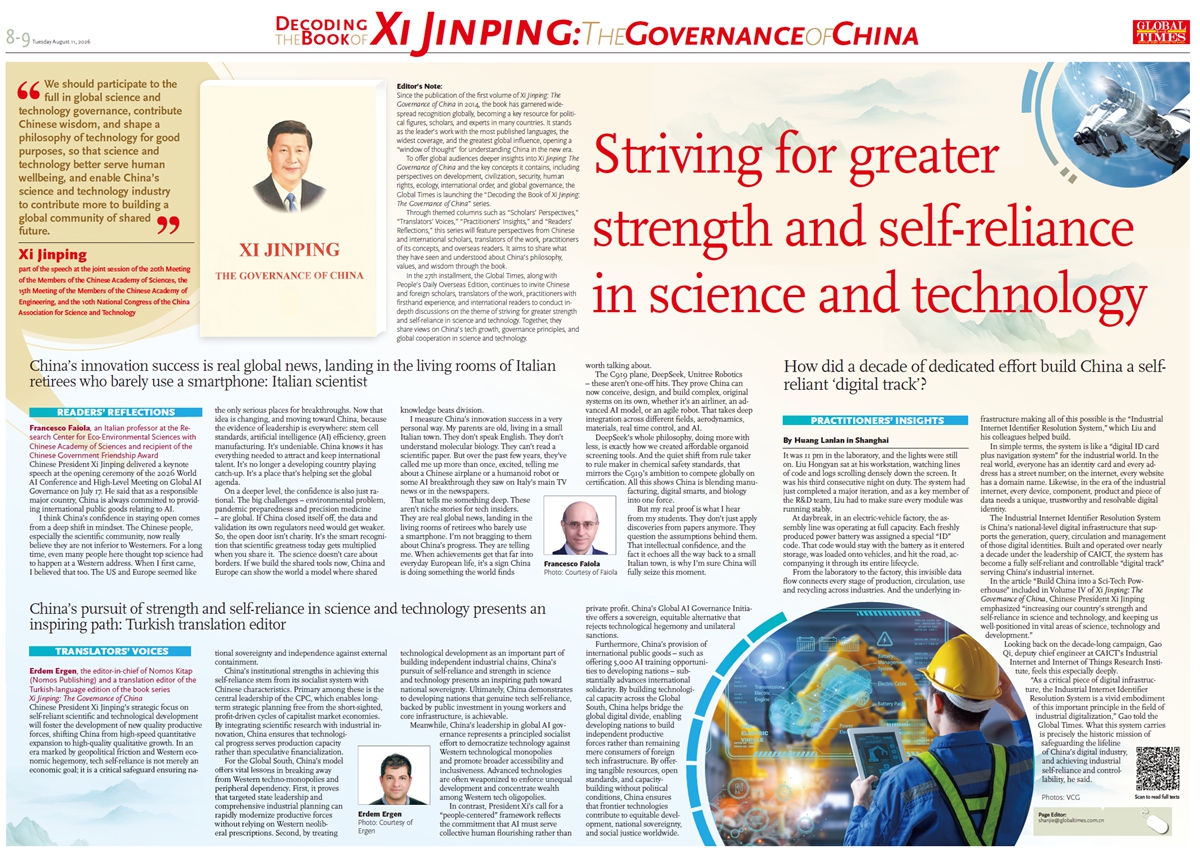
From the C919 airliner soaring into the skies to Unitree's humanoid robots stealing the show; from DeepSeek pushing the AI frontier to Moonshot AI's landmark unveiling of Kimi K3 - China's wave of homegrown innovations has dominated global headlines in recent years, delivering a steady stream of breakthroughs.
At a meeting in Beijing that brought together the national science and technology award conference, the general assemblies of the members of the Chinese Academy of Sciences (CAS) and the Chinese Academy of Engineering (CAE), and the 11th national congress of the China Association for Science and Technology in July, Chinese President Xi Jinping, also general secretary of the Communist Party of China (CPC) Central Committee and chairman of the Central Military Commission, stressed that the 15th Five-Year Plan period (2026-2030) is a critical phase for tackling tough challenges in building up the country's strength in science and technology.
"We must seize the historic opportunity, rise to the challenges of the times, accelerate efforts to achieve high-level self-reliance and strength in science and technology, and make steady progress toward the 2035 goal of becoming a leading country in science and technology," he said.
In the article "Strive for Greater Strength and Self-Reliance in Science and Technology" included in the fourth volume of Xi Jinping: The Governance of China, Xi pointed out, "Through years of endeavor, our country's overall strength in science and technology has improved substantially. We therefore have a solid foundation, and are fully confident in our ability to seize the opportunities offered by the new revolution in science, technology and industry to achieve greater results." The article also mentioned that "We should participate to the full in global science and technology governance, contribute Chinese wisdom, and shape a philosophy of technology for good purposes, so that science and technology better serve human wellbeing, and enable China's science and technology industry to contribute more to building a global community of shared future."
In the 27th installment of the special series "Decoding the Book Xi Jinping: The Governance of China," the Global Times, along with the People's Daily Overseas Edition, continues to invite Chinese and foreign scholars, translators of Xi's works, practitioners with firsthand experience, and international readers to focus on the theme of striving for greater strength and self-reliance in science and technology. Together, they share views on China's tech growth, governance principles, and global cooperation in science and technology.
Here are the stories:
1. Readers’ Reflections: China’s innovation success is real global news, landing in the living rooms of Italian retirees who barely use a smartphone: Italian scientist
2. Practitioners' Insights: How did a decade of dedicated effort build China a self-reliant 'digital track'?
3. Translators’ Voices: China's pursuit of strength and self-reliance in science and technology presents an inspiring path
4. Scholars’ Perspectives: National support, optimized evaluation allow young talent to pursue long-term breakthroughs: researcher
。洒水车司机冯水良拧开阀门,细密水雾均匀覆在柏油路上,既湿润了空气,也压下了扬尘。和往常不同的是,这一车“解渴水”并非取自自来水管网,而是来自几百米外的建设河——经净化处理后,它成了环卫作业的“第二水源”。这是杭州推进环卫用水“换血”的日常缩影。

B | 今年以来,杭州持续调整环卫作业用水结构,用河道净化水、再生水替代自来水,把水资源节约集约利用落到每辆环卫车上。市城管部门的最新数据显示:今年上半年,全市环卫作业总用水量达507万吨,其中河道取水160万吨、再生水取水70万吨,“第二水源”合计占比45.37%。“以前装一车水,用的都是自来水。去年12月滨江新增10个河道取水口后,我们的‘水缸’直接搬到了河边。”开了8年洒水车的冯水良说,现在出车前顺路就能完成补水,方便又省心。

C | 截至目前,全市已累计布设河道取水口104个、再生水取水栓23个,一张覆盖城区的环卫“第二水源”补给网正越织越密。有人疑惑:用河水、再生水洗路,会不会影响保洁质量?答案藏在精细化“分质供水”方案里:洒水车出水口径大、自带粗滤装置,日均耗水量高,优先取用净化河道水和再生水;高压洗扫车喷头精密,选用悬浮物更低的再生水,减少设备堵塞磨损;雾炮车对水质要求更高,仍采用自来水。

D | 与此同时,养护人员会定期清洗更换取水滤网、疏通管路、检修高压喷头和水泵核心部件,让每一辆环卫车都“喝得顺、跑得稳”。节水更要算好经济账。

E | 经多轮实测,当取水半径控制在3公里以内时,综合用水成本明显低于自来水,也不会挤占正常保洁作业时间。如今,各保洁单位都会提前摸排就近河道取水点和再生水桩位置,提前规划作业路线,尽量不让车辆空驶找水。“少跑冤枉路,多干实在活,成本降了,效率反而高了。”一名保洁负责人坦言。从“全靠自来水”到“第二水源挑大梁”,当越来越多环卫车用上“循环水”,杭城的水资源节约之路,也越走越宽。
Current article:http://bkljh6l.jiaopeikongbenlo.pics/list_xpzeyg0/nl2.html
Published on:00:00:00
相关新闻
- 消息称,LGV20和G5将不再接收Android更新和安全补丁。
- 《GTA6》最早泄露来源曝光!R星笑了 溯源新方向
- 李대통령 지지율 30%대로 추락…취임 후 최저치
- China-Europe freight trains deliver over 34,000 cooling appliances
- 外交部:敦促太平洋岛国论坛秘书处恪守一个中国原则
- 【透视社·反腐快报】四川省绵阳市政府原党组成员、副市长刘海昌被开除党籍和公职
- 有色牛市焦虑症?| 0128
- 200억 한남동 주택도 법인 돈으로…‘황제사택’ 50곳 세무조사
- 国内首次!液体火箭发动机实现重复使用
- 开展“世界卫生日”宣传活动
最后更新
- Xi puts forward four principles on Palestinian question
- 【阳光•迎检】以检促优,笃行致远——沈北新区第三幼儿园
- 牦牛闯入四川黄龙景区五彩池 官方通报:禁牧围栏遭人为破坏
- 广州海关:查获4吨烟花爆竹
- 美股三大指数走势分化 芯片股多数上扬
- 杰洛特在《巫师 3:狂猎 — Songs of the Past and Remastered》中回归
- 连云港东海福彩开展“福彩公益 情暖晶都”之清凉一夏公益慰问活动
- 我们为什么喜欢挠痒痒?这可能是笑声的原始刺激。
- What are the rules of war? And how do they apply to Israel's actions in Gaza?
- 厦门部分餐饮门店卷入“违规消杀”事件:多家涉事商户称此前不知情,已紧急处置